Species behavior
Close observation of unique species in their natural range, filmed in the field across the regions Todd travels.
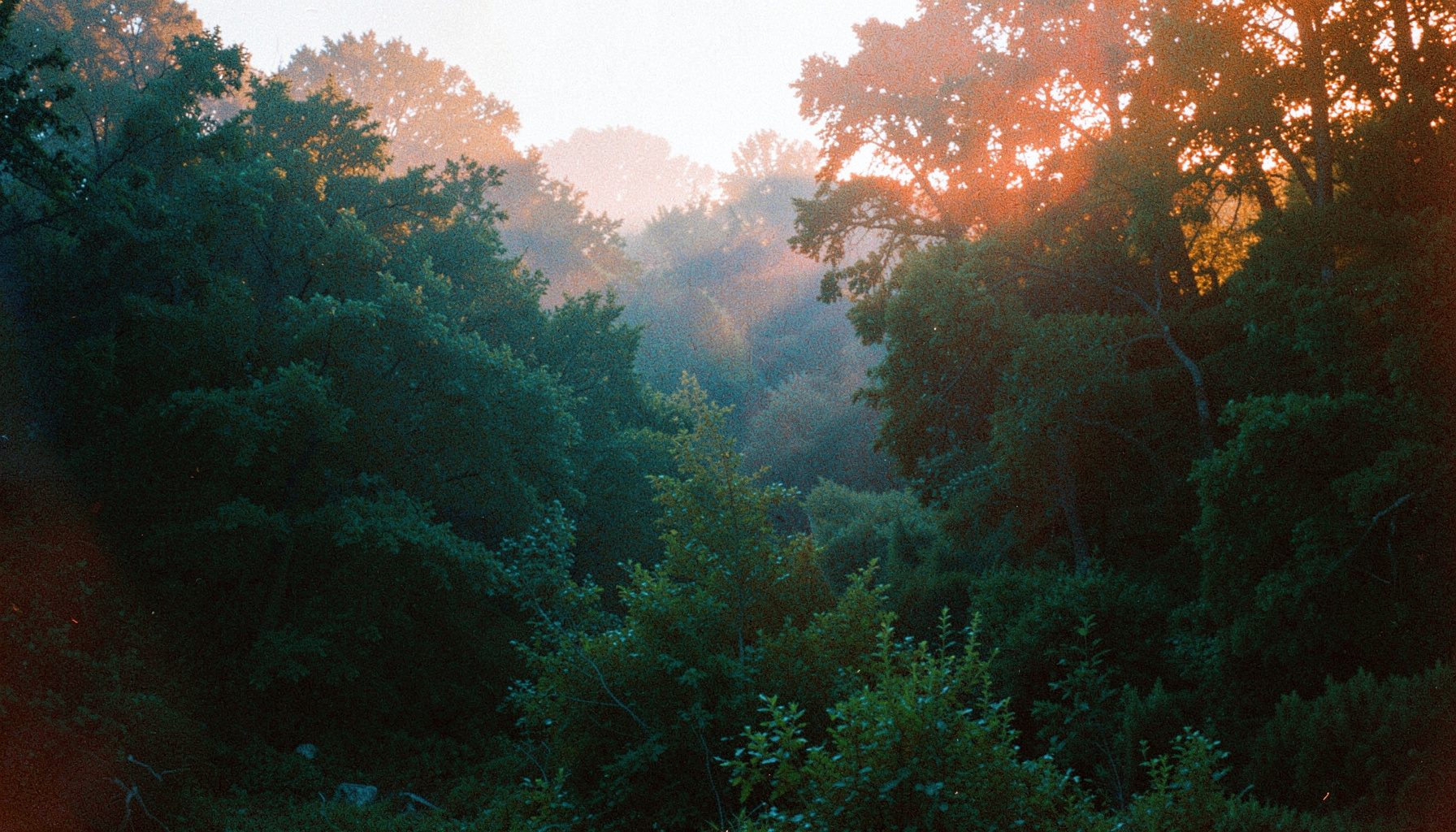
Video work from Todd Amacker — a naturalist exploring the American Southeast, Appalachia, the Gulf Coast, and Southern Africa for unique species, enchanting ecosystems, and stories about science and conservation.
Still photography often captures a single frame; film carries a whole landscape through time. This section gathers motion-based work — short natural history pieces and longer conservation films — built around the same field sites and subjects that shape the rest of the site.
Projects draw on the American Southeast, Appalachia, the Gulf Coast, and Southern Africa, with an emphasis on the behavior of unique species and on the ecosystems that support them. Each film is made to document, to teach, and to build support for the places filmed.
Alongside finished films, footage from recent field work continues to be edited. New material is posted as it is completed.
Moving images offer a way of seeing wild places that still photographs cannot quite reach, carrying a landscape through time rather than freezing it. This collection of film work grows from the same field sites and subjects that shape the rest of the site, following the American Southeast, Appalachia, the Gulf Coast, and Southern Africa in search of unique species and enchanting ecosystems. Short natural history pieces sit alongside longer conservation films, each built around patient observation in the field and a curiosity about the creatures and habitats that make these regions so distinctive.
Conservation filmmaking is as much about listening as it is about looking, letting a place reveal its own rhythms and the stories that live within them. The camera becomes a way to share science and stewardship with a wider audience, translating quiet ecological detail into something a viewer can follow and care about. Whether the subject is a rare species, a shifting coastline, or the people working to protect a landscape, the aim stays the same: to make the natural world feel close, legible, and worth defending long after the film ends.
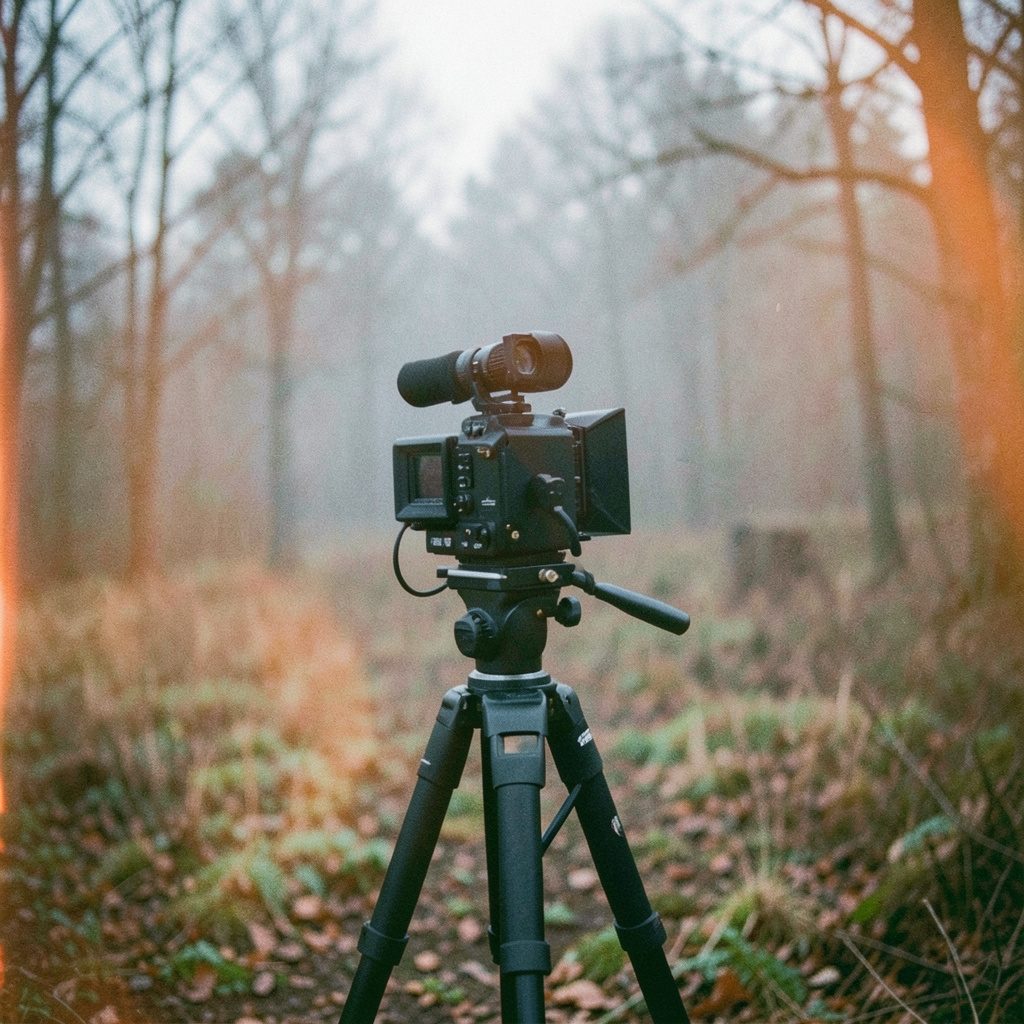
Three threads run through the video catalog, each grounded in fieldwork rather than staging.
Close observation of unique species in their natural range, filmed in the field across the regions Todd travels.
Wide, slowly paced sequences that show how an ecosystem fits together, from Appalachian forest to Gulf Coast marsh.
Stories about science and conservation, explaining why a species or habitat matters and what threatens it.
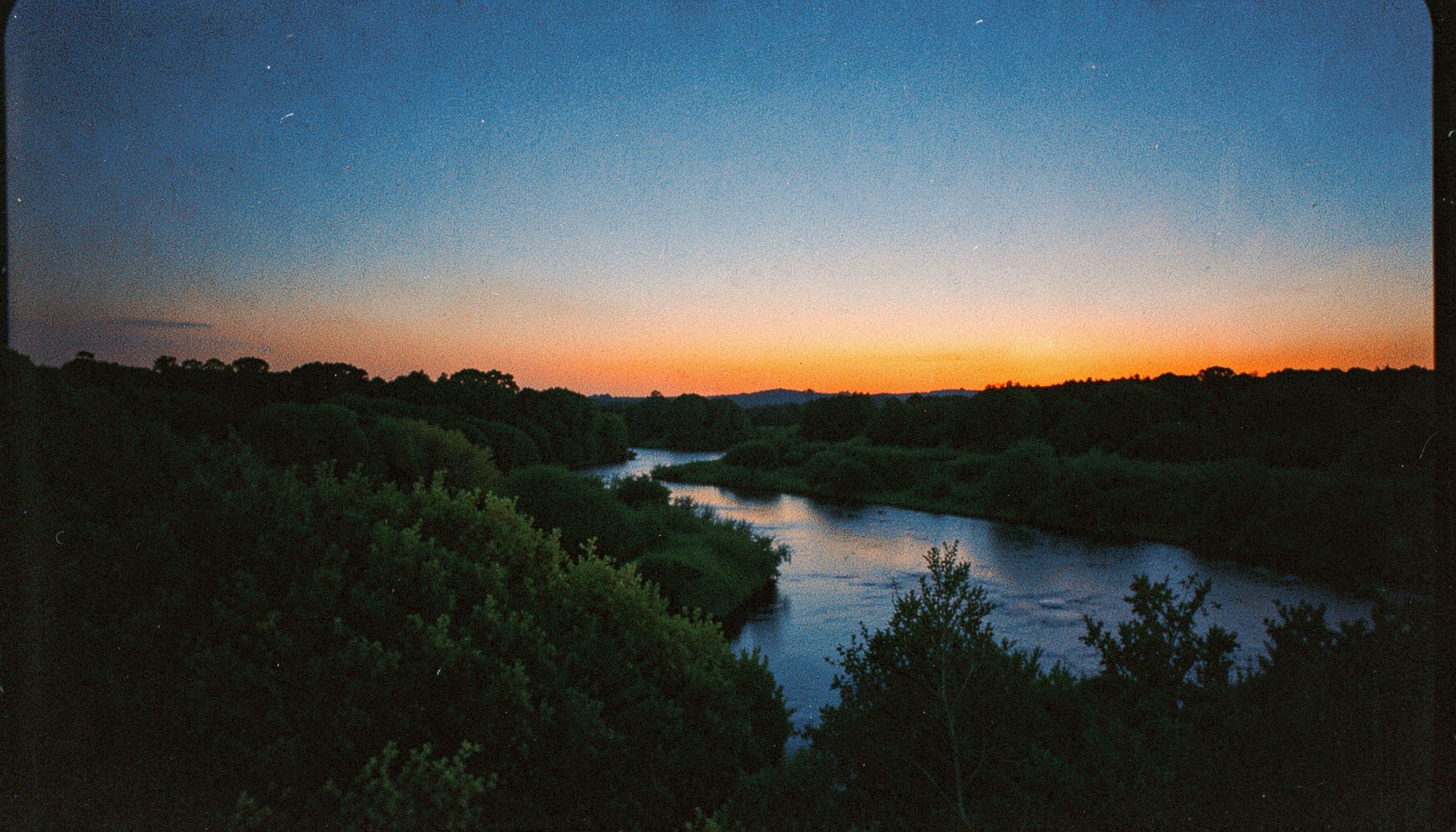
Every film begins with time spent in the field — walking habitats, tracking animals, and watching how a place changes with the seasons before a single shot is framed.
How the moving-image work is organized and where it fits in the wider project.
| Series | Format | Region focus |
|---|---|---|
| Field notes | Short natural history segments | American Southeast, Appalachia, Gulf Coast |
| Landscapes | Slow environmental portraits | Appalachia and Southern Africa |
| Conservation stories | Documentary features | Across the regions visited |
For print-quality stills from the same locations, see Research. Photographic essays from the field are collected under Essays, and written stories appear in Features.